Welcome to Pahal Agri India - Your Trusted Farming Partner
-
-
Mon - Sat 8:00 - 6:30, Sunday - CLOSED
Call Anytime
+917600907740
Welcome to Pahal Agri India - Your Trusted Farming Partner
Mon - Sat 8:00 - 6:30, Sunday - CLOSED
Call Anytime
+917600907740
Discover how organic farming can be cost-effective with the right strategies and products. Learn how to reduce input costs while maintaining or improving crop yields.
Many farmers hesitate to adopt organic farming due to concerns about costs and yields. However, with the right approach and products, organic farming can be both cost-effective and productive. Pahal Agri India is committed to making organic farming accessible and profitable for all farmers.
While initial transition costs may be higher, organic farming can actually reduce long-term costs through:
We aim to support organic farming with our result-oriented, chemical-free products that help farmers achieve lower costs while maintaining or improving yields. Our products are designed to maximize efficiency and minimize waste, making organic farming economically viable.
With proper planning and the right products, organic farming can be a profitable and sustainable choice for Indian farmers.
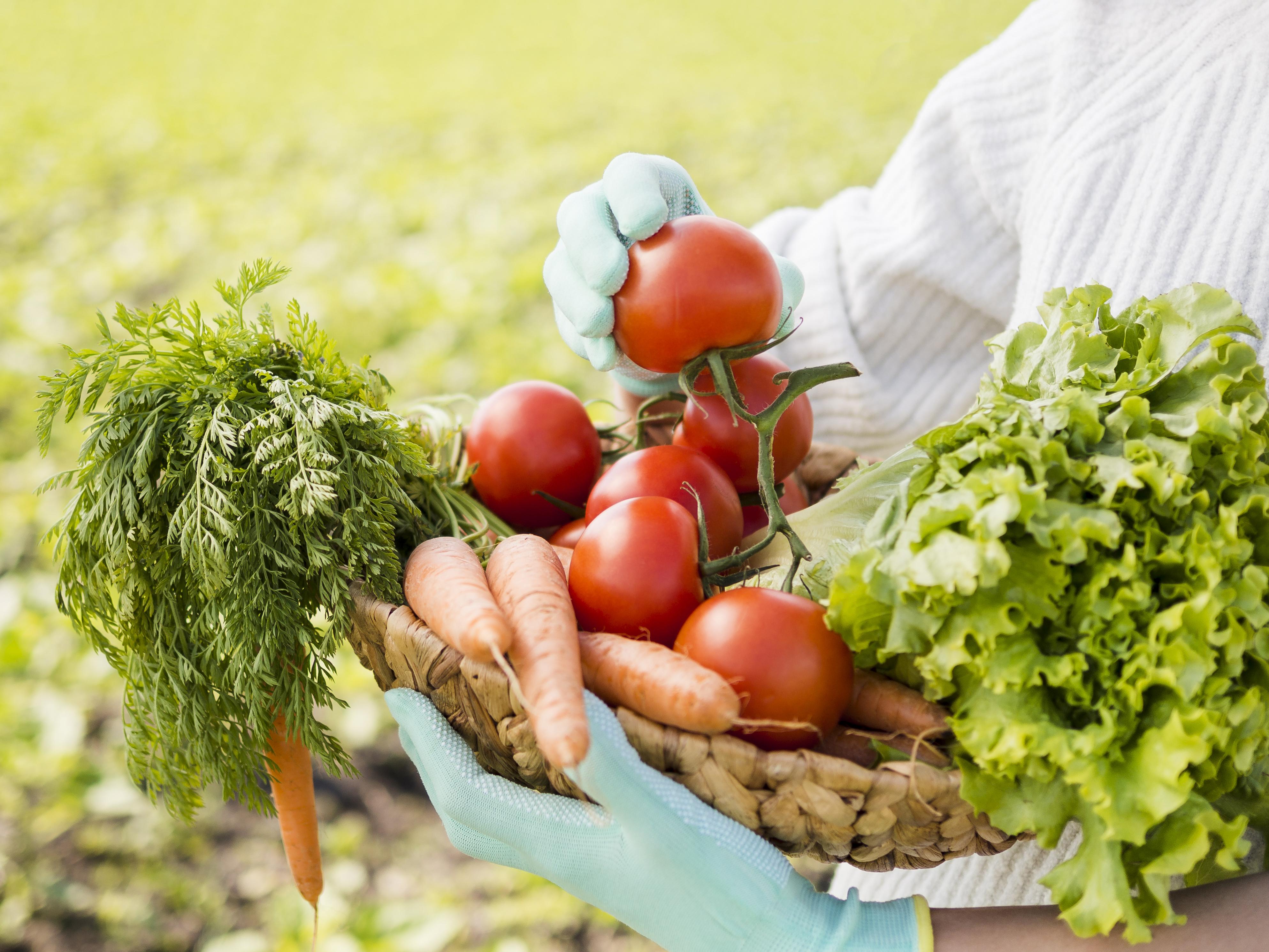
Discover how organic farming practices can transform Indian agriculture, improve...
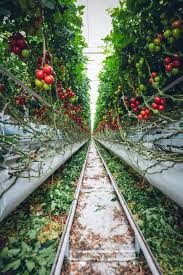
Healthy soil is the foundation of successful organic farming. Learn how to impro...
24 Nov, 2025

14 Nov, 2025